Source Asian Zen Glass Mug for Home Hotel Bar Use
Compare 30 Asian Zen glass mug options from Chinese manufacturers. Buyers can review features like capacity, material, and design styles including traditional and machine-pressed variants for home, hotel, and bar applications.
Key considerations
Products List
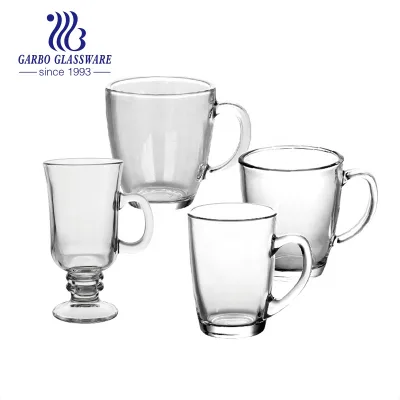
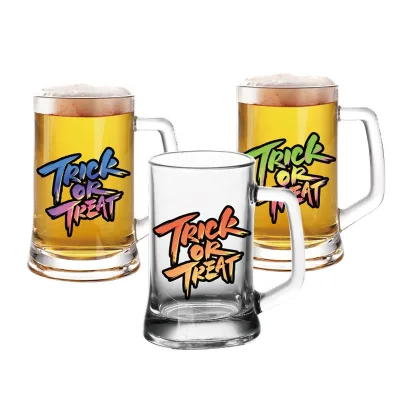
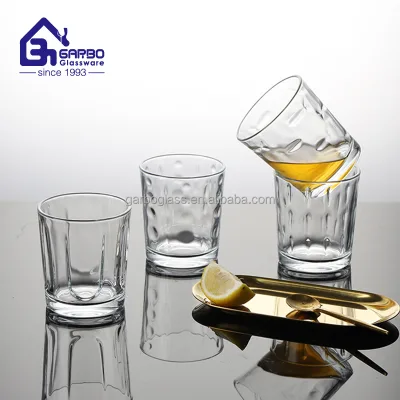
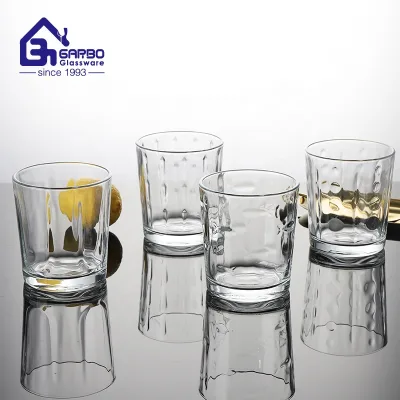
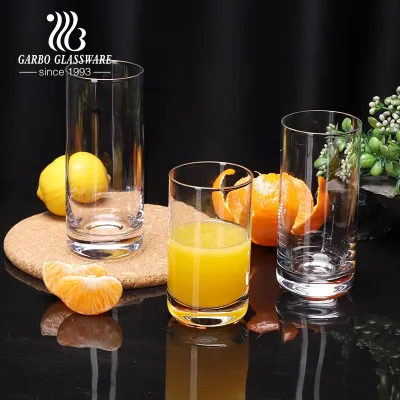
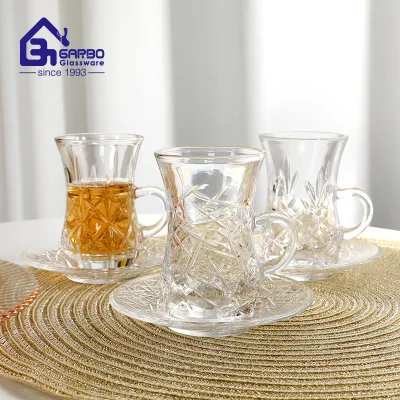

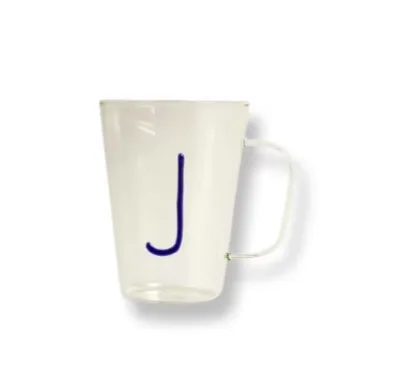
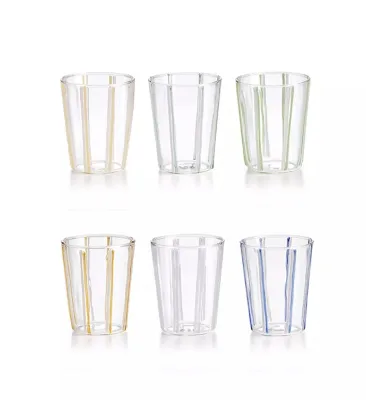
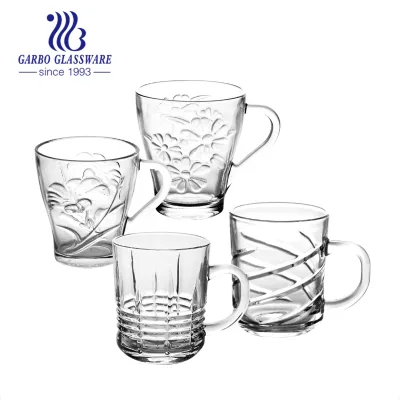
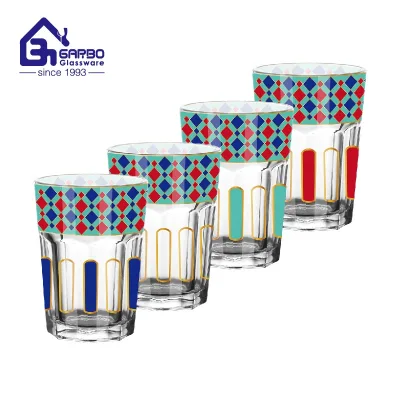
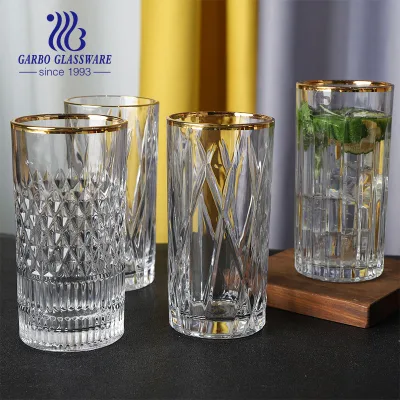
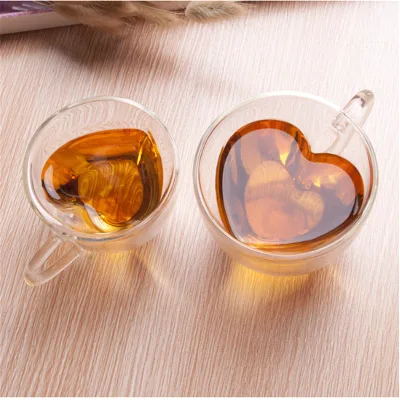


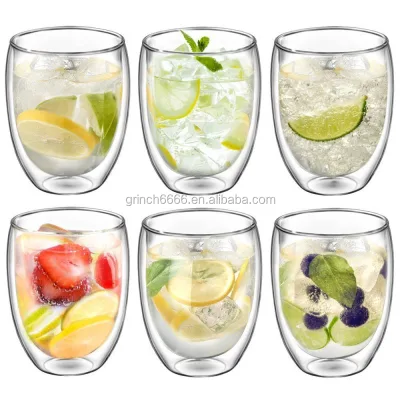
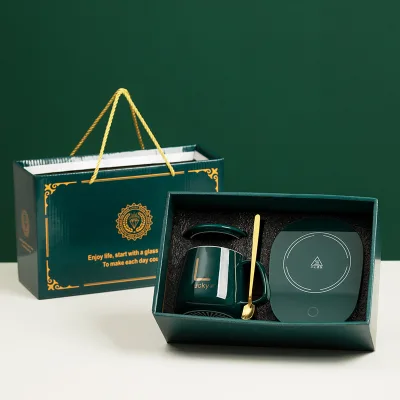
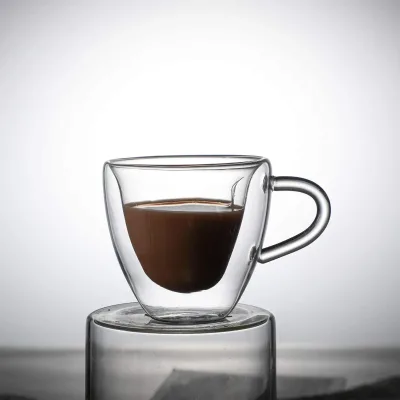
Comprehensive Sourcing Guide
Strategic Sourcing Guide for Asian Zen Glass Mugs
The global B2B market for glass drinkware continues to evolve, with a distinct segment emerging around the "Asian Zen" aesthetic. This style, characterized by minimalist lines, natural textures, and a focus on mindfulness, has found a robust home in the glass mug category. For procurement professionals, sourcing these items requires a nuanced understanding of technical specifications, material integrity, and supply chain logistics. The following guide provides an evidence-based framework for evaluating suppliers and products that align with the "Asian Zen glass mug" core keyword, drawing strictly from verified product attributes and industry standards.
Defining the Product Architecture and Technical Specifications
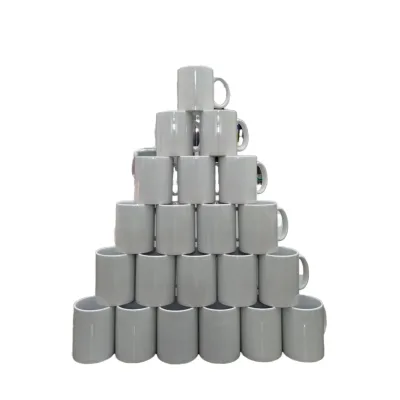
When sourcing an Asian Zen glass mug, the first step is to rigorously define the physical and technical parameters. The "Zen" designation in this context often implies specific dimensional ratios and handling characteristics rather than just a visual style. Based on observed product data, these mugs frequently feature a "HANDGRIP" shape, which is a critical ergonomic consideration for both commercial and residential use. The dimensions are not uniform; buyers must account for variations where single package sizes range from 12x13x15 cm to 25x25x25 cm, and physical dimensions of the mug itself can vary from 78mm in thickness to 132mm in height.
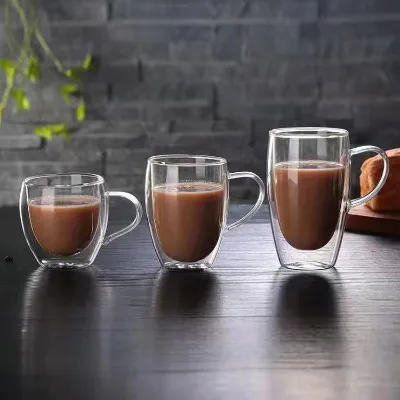
Material composition is the cornerstone of this product category. The primary material identified is white glass or clear glass, often described as "transparent" or "white" depending on the specific finish. The manufacturing technique is predominantly "Machine Pressed," a method that ensures consistency in wall thickness and structural integrity. This technique is distinct from hand-blown glass, offering a more uniform product suitable for high-volume B2B orders. The capacity of these mugs typically falls into two main ranges: 301-400ml and 401-500ml, with some specific models noted at exactly 500ml. This capacity range makes them versatile for serving tea, coffee, milk, or beer, aligning with the diverse usage scenarios observed in the market.
Compliance, Safety, and Material Verification
In the B2B sector, safety compliance is non-negotiable. For glass drinkware intended for food and beverage contact, the material must be verified as "Food Contact Safe." This is a fundamental requirement that suppliers must substantiate through documentation, even if specific certification labels are not explicitly listed in every product description. Buyers should verify that the glass formulation does not leach harmful substances under thermal stress.
Thermal safety is another critical compliance area. While the product attributes indicate that some glass mugs are "Dishwasher Safe," a specific observation notes that certain models are "Microwave Safe: No." This discrepancy highlights the importance of verifying the thermal shock resistance of the specific glass formulation. Machine-pressed glass can vary in its ability to withstand rapid temperature changes. Procurement teams must request thermal shock test results or specific manufacturer declarations regarding microwave usage before finalizing an order. Additionally, the "Eco-Friendly" attribute observed in some listings suggests that the manufacturing process or material sourcing may adhere to sustainability goals, but buyers should request concrete data on recyclability or energy efficiency to validate this claim.
Cost Drivers and Economic Factors
The economics of sourcing Asian Zen glass mugs are influenced by several distinct variables. The observed price range for these items spans from $0.24 to $14.24 USD, a significant variance that reflects differences in design complexity, packaging, and order volume. The primary cost driver is the Minimum Order Quantity (MOQ). Data indicates an MOQ range from 1 to 30,000 pieces. High-volume orders, such as those at the 30,000-piece level, typically unlock the lower end of the price spectrum, whereas smaller trial orders will incur a higher unit cost.
Packaging is another significant cost component. The standard packaging for these mugs is often a "Color box," which adds to the single gross weight and shipping volume. The single gross weight is recorded at 1.000 kg for some units, while others are lighter at 565g. This weight variance directly impacts freight costs, particularly for air freight or LCL (Less than Container Load) shipments. Buyers must calculate the landed cost by factoring in the packaging dimensions, which can range from compact 12x13x15 cm boxes to larger 25x25x25 cm units. The "Selling Units" are typically listed as "Single item," meaning the pricing is per unit rather than per set, simplifying the cost calculation but requiring careful inventory planning.
Typical Applications and Market Segmentation
The versatility of the Asian Zen glass mug allows it to penetrate multiple market segments. The observed usage scenarios include "home, hotel, bar, pub, party," and specific occasions like "Back to School." This breadth of application suggests that the product is not limited to a single niche but serves as a general-purpose drinkware solution with a premium aesthetic.
In the hospitality sector, the "HANDGRIP" shape and the capacity of 301-500ml make these mugs ideal for serving coffee, tea, or beer in hotel lobbies, bars, and pubs. The "Asian Zen" style appeals to establishments aiming for a modern, tranquil atmosphere. For the retail sector, the "Eco-Friendly" and "Stocked" attributes make these mugs attractive for home goods retailers targeting consumers interested in mindfulness and sustainable living. The "OEM/ODM: Acceptable" status indicates that suppliers are open to customization, allowing brands to create exclusive designs that fit their specific brand identity. This flexibility is crucial for B2B buyers looking to differentiate their product lines from generic competitors.
Supplier Evaluation and Operational Logistics
Selecting the right supplier requires a deep dive into their operational capabilities. The "place of origin" for these products is consistently identified as China, with specific regions like Anhui noted. This regional concentration can be advantageous for logistics, as it often implies a mature supply chain for glass manufacturing. However, buyers must verify the specific factory location to assess proximity to major shipping ports.
Lead time is a critical operational metric. The observed delivery time for these products is 30 to 35 days. This timeline should be factored into the procurement calendar, especially for seasonal items like "Back to School" products. Buyers should also inquire about the "Sample Provide" capability. Having access to samples is essential for quality verification before committing to a large order. The "Item number" and "Model number" variations (e.g., GB095808-1, GB093713-1) suggest a complex SKU structure. Procurement teams must ensure that the supplier has a robust system for tracking these specific model numbers to prevent mix-ups in production and shipping.
Quality Control and Long-Term Procurement Strategy
Quality control in glass manufacturing focuses on surface defects, dimensional accuracy, and structural integrity. Given the "Machine Pressed" technique, buyers should expect a high degree of uniformity but must still implement rigorous inspection protocols. Key quality checks should include verifying the "Dishwasher Safe" claim through actual testing and ensuring the "Food Contact Safe" status is backed by valid documentation.
For long-term procurement, the "Stocked" attribute is a significant advantage. It suggests that the supplier maintains inventory of core models, which can reduce lead times for reorders. However, buyers should also assess the supplier's capacity to handle fluctuations in demand. The wide MOQ range (1 to 30,000) indicates flexibility, but buyers must negotiate terms that allow for scalable ordering without incurring prohibitive costs. The "Design: traditional glass mug" and "Craft: Machie Pressed" attributes suggest a stable product line, but buyers should monitor for potential design updates or material changes that could affect compatibility with existing branding or usage patterns.
Comparative Analysis of Product Attributes
To facilitate decision-making, the following table summarizes key attributes observed in the Asian Zen glass mug category, highlighting the variations buyers must navigate.
| Attribute Category | Observed Variations | Procurement Implication |
|---|---|---|
| Material | White glass, Clear glass, Transparent | Verify optical clarity and color consistency for branding. |
| Capacity | 301-400ml, 401-500ml, 500ml | Match capacity to intended beverage type (tea vs. beer). |
| Shape | HANDGRIP | Confirm ergonomic fit for target demographic (adults). |
| Technique | Machine Pressed | Ensure consistency in wall thickness and weight. |
| Safety | Dishwasher Safe (Yes/No), Microwave Safe (No) | Verify thermal shock resistance and usage instructions. |
| Packaging | Color box (12x13x15 cm to 25x25x25 cm) | Calculate freight costs based on volume and weight. |
| Origin | China (Anhui region) | Assess logistics efficiency and supply chain stability. |
| Lead Time | 30-35 days | Plan inventory replenishment cycles accordingly. |
Conclusion
Sourcing Asian Zen glass mugs requires a balanced approach that combines aesthetic appreciation with rigorous technical and logistical due diligence. The product category offers a wide range of options, from compact 300ml mugs to larger 500ml beer mugs, all unified by a minimalist design philosophy. Buyers must pay close attention to the specific material properties, safety certifications, and packaging dimensions to ensure the product meets their operational needs. By leveraging the observed data on MOQs, lead times, and manufacturing techniques, procurement professionals can build a resilient supply chain that delivers high-quality, stylish glassware to the global market. The flexibility of OEM/ODM options and the availability of stocked items further enhance the attractiveness of this category for B2B buyers seeking to diversify their product offerings.
FAQs
What is the typical capacity range for these mugs?
The capacity typically ranges from 301 to 500 milliliters. Specific models are observed at 301-400ml, 401-500ml, or exactly 500ml, making them suitable for tea, coffee, or beer.
Can these glass mugs be used in a microwave?
No, certain models are explicitly marked as not microwave safe. While some are dishwasher safe, buyers must verify thermal shock resistance before using them in microwaves.
How long does delivery take for these products?
The standard delivery time is 30 to 35 days. This lead time applies to orders from suppliers located in China, specifically the Anhui region, for this product category.
What is the minimum order quantity for bulk purchases?
The minimum order quantity ranges from 1 to 30,000 pieces. High-volume orders at the 30,000-piece level often unlock lower unit prices compared to smaller trial orders.
Which material is used to manufacture these mugs?
The primary material is glass, described as either white glass or clear transparent glass. The manufacturing technique is machine pressed to ensure consistent wall thickness and structural integrity.
What is the price range for these glass mugs?
The observed price range spans from 0.24 to 14.24 USD per unit. This variance depends on design complexity, packaging options, and the specific order volume requested.